What is car key programming, why does it matter, and how does it work? KeysKev explains everything in plain English — no jargon, just the facts.
If you've ever needed a replacement car key, you've probably heard the phrase "key programming." But what does it actually mean? And why can't you just cut a new key at the local hardware shop like you would for your front door?
Here's a plain-English guide to car key programming — what it is, how it works, and what you can expect when you need it done.
Why Modern Car Keys Are Different
Up until the early 1990s, car keys were purely mechanical. A key was cut to match the physical shape of your lock, and that was it. If you had the right cut, the car started.
The problem was obvious: it was far too easy to steal a car. A thief with a basic set of picks or a bump key could get into most vehicles in seconds.
To combat this, manufacturers introduced the immobiliser — an electronic security system that prevents the engine from starting unless it receives the correct signal from the key. Today, virtually every car sold in the UK has one.
What Is a Transponder Key?
A transponder key looks like a normal key, but it has a small microchip embedded in the plastic head. This chip is programmed with a unique code that matches your car's immobiliser.
When you insert the key and turn the ignition, the car sends a radio signal to the chip. The chip responds with its code. If the code matches what the immobiliser expects, the engine starts. If it doesn't match — or if there's no chip at all — the immobiliser cuts the fuel supply and the engine won't run.
This is why a key cut to the correct shape but without a programmed chip will turn in the ignition but the car won't start. The lock is happy, but the immobiliser isn't.
What About Remote Keys and Smart Keys?
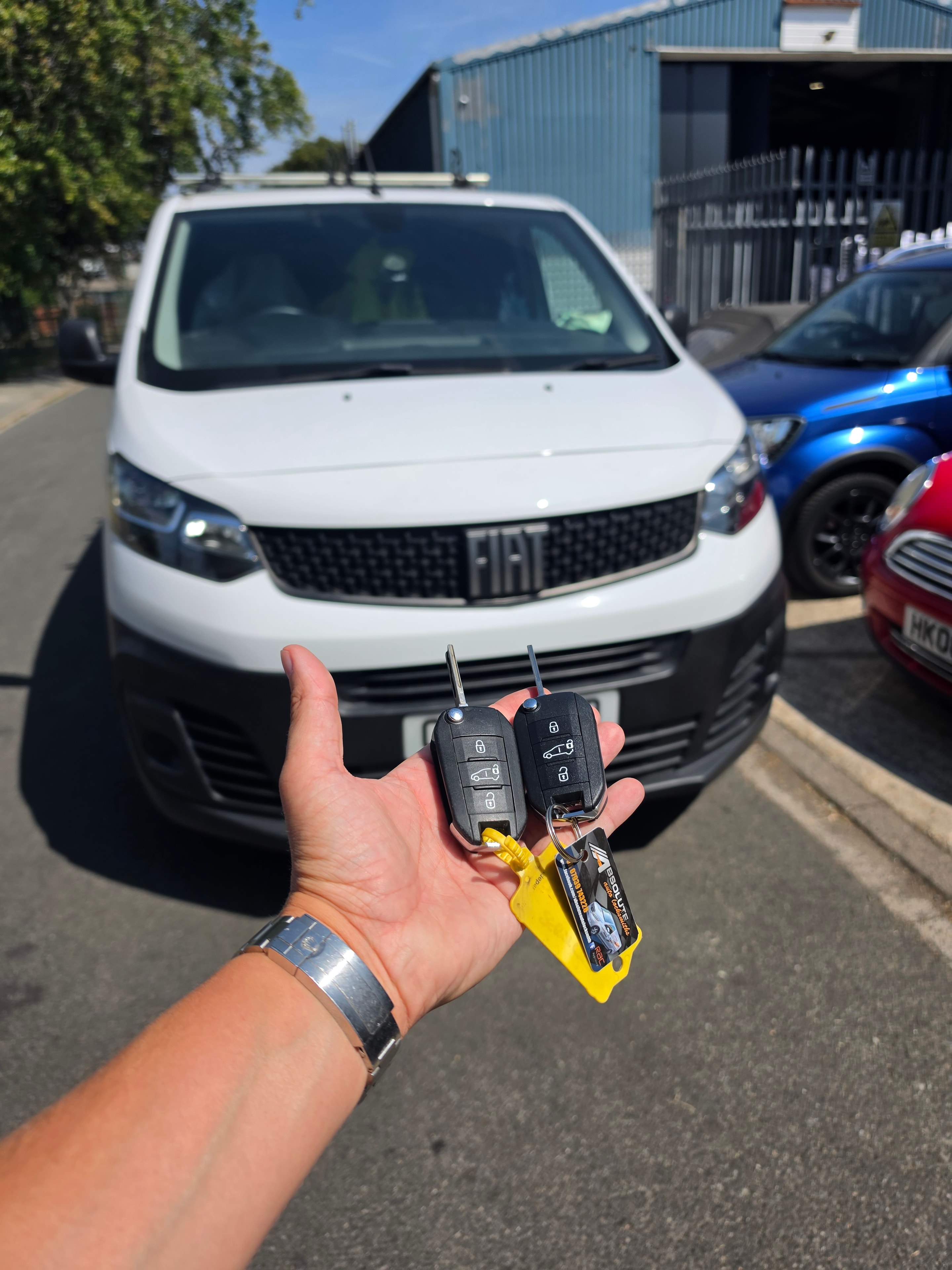
Remote keys (also called key fobs) combine the transponder chip with a radio transmitter that lets you lock and unlock the car from a distance. They need to be programmed twice: once for the transponder (immobiliser), and once for the remote locking system.
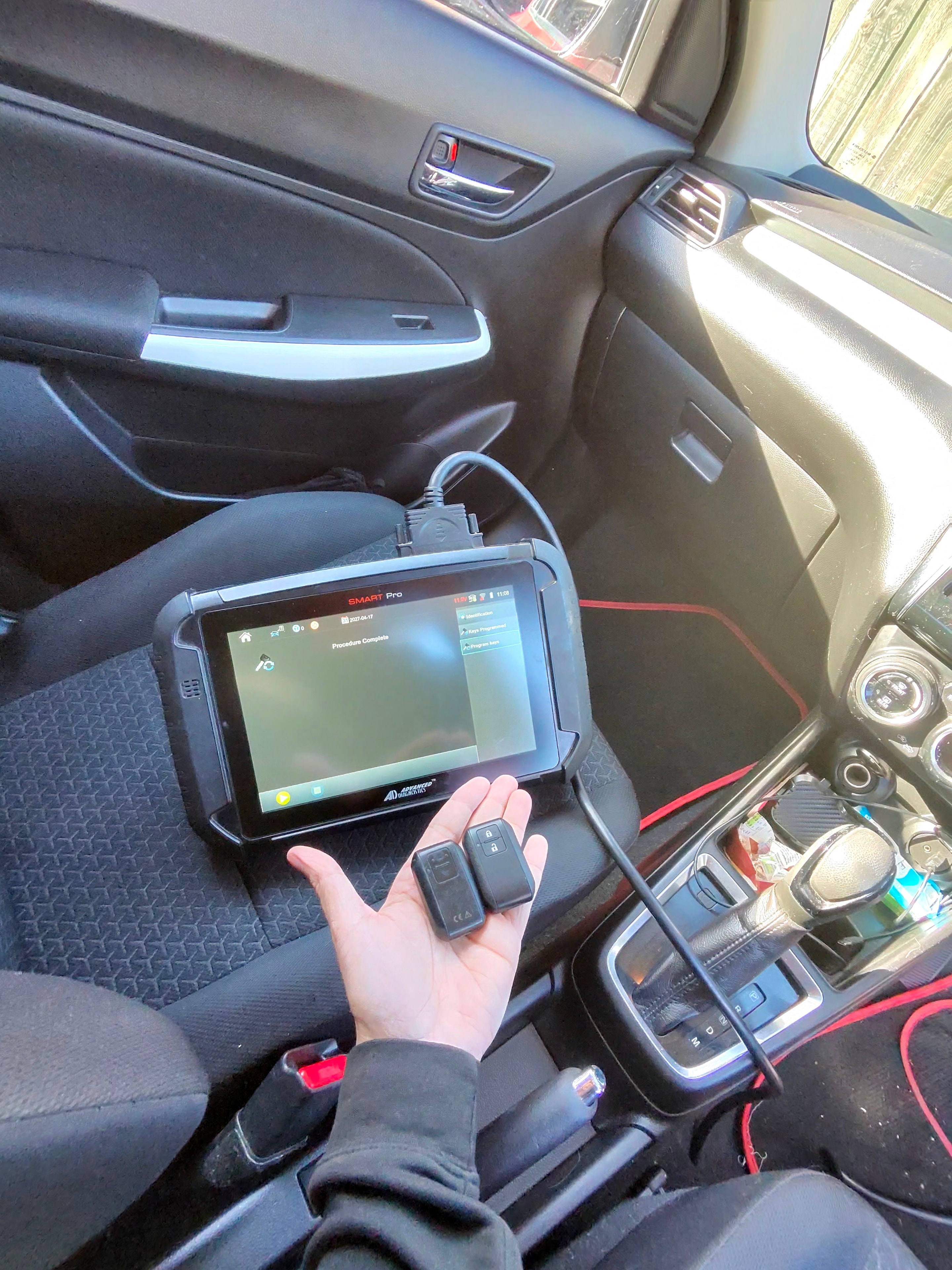
Smart keys (or proximity keys) take this further. The car detects the key in your pocket or bag and allows you to unlock the doors by touching the handle, then start the engine with a button. These are more complex to programme and require specialist equipment.
How Does Key Programming Work?
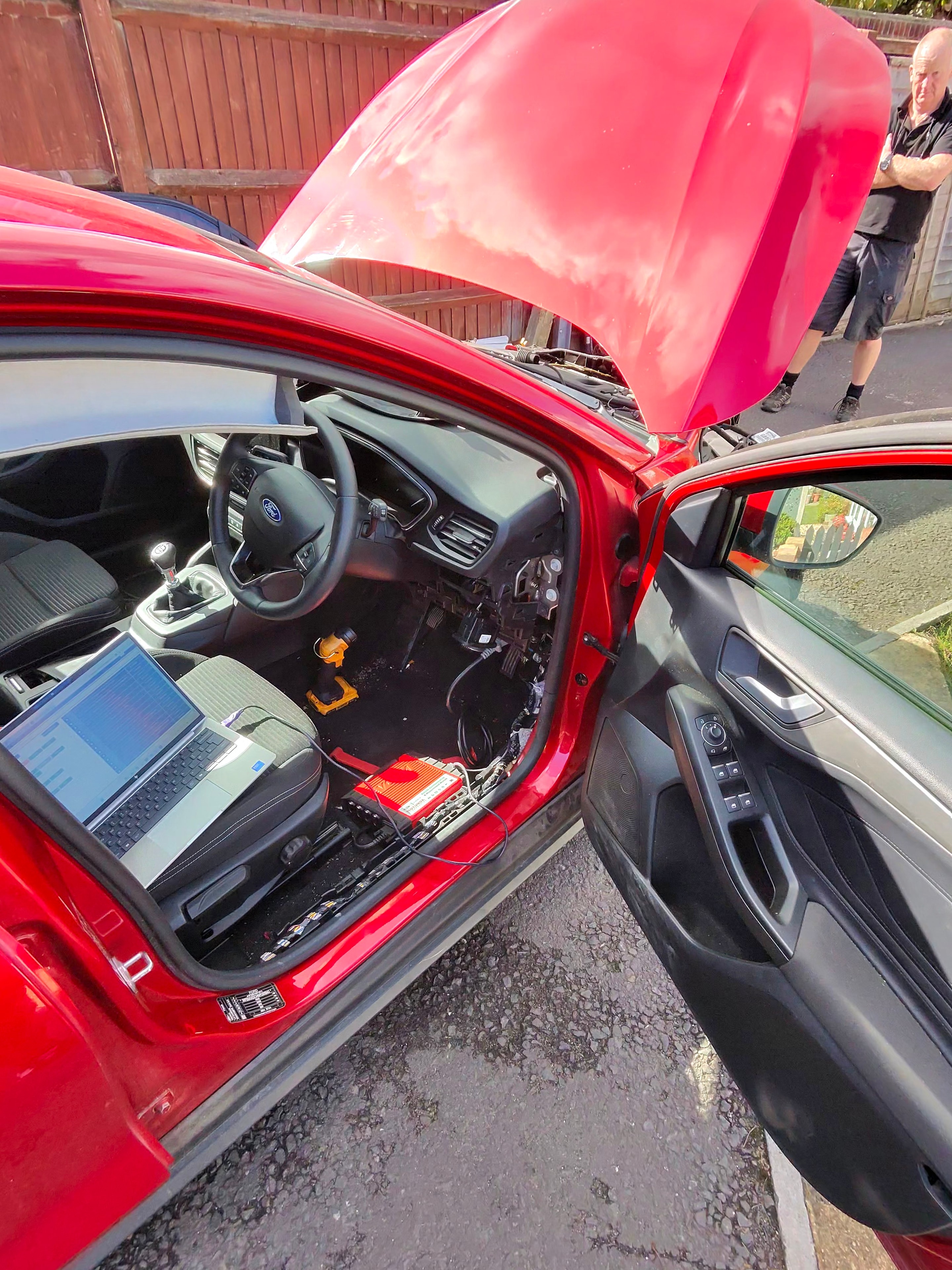
Programming a key requires specialist diagnostic equipment that communicates directly with your car's ECU (Engine Control Unit) — the car's main computer.
The process typically involves:
- Reading the car's security data — The diagnostic tool connects to the car's OBD port (usually under the dashboard) and reads the immobiliser data.
- Generating the correct code — Using this data, the tool calculates the unique code that needs to be written to the new key's chip.
- Writing the code to the key — The new chip is programmed with the correct code.
- Testing — The key is tested in the vehicle to confirm it starts the engine and operates the remote locking.
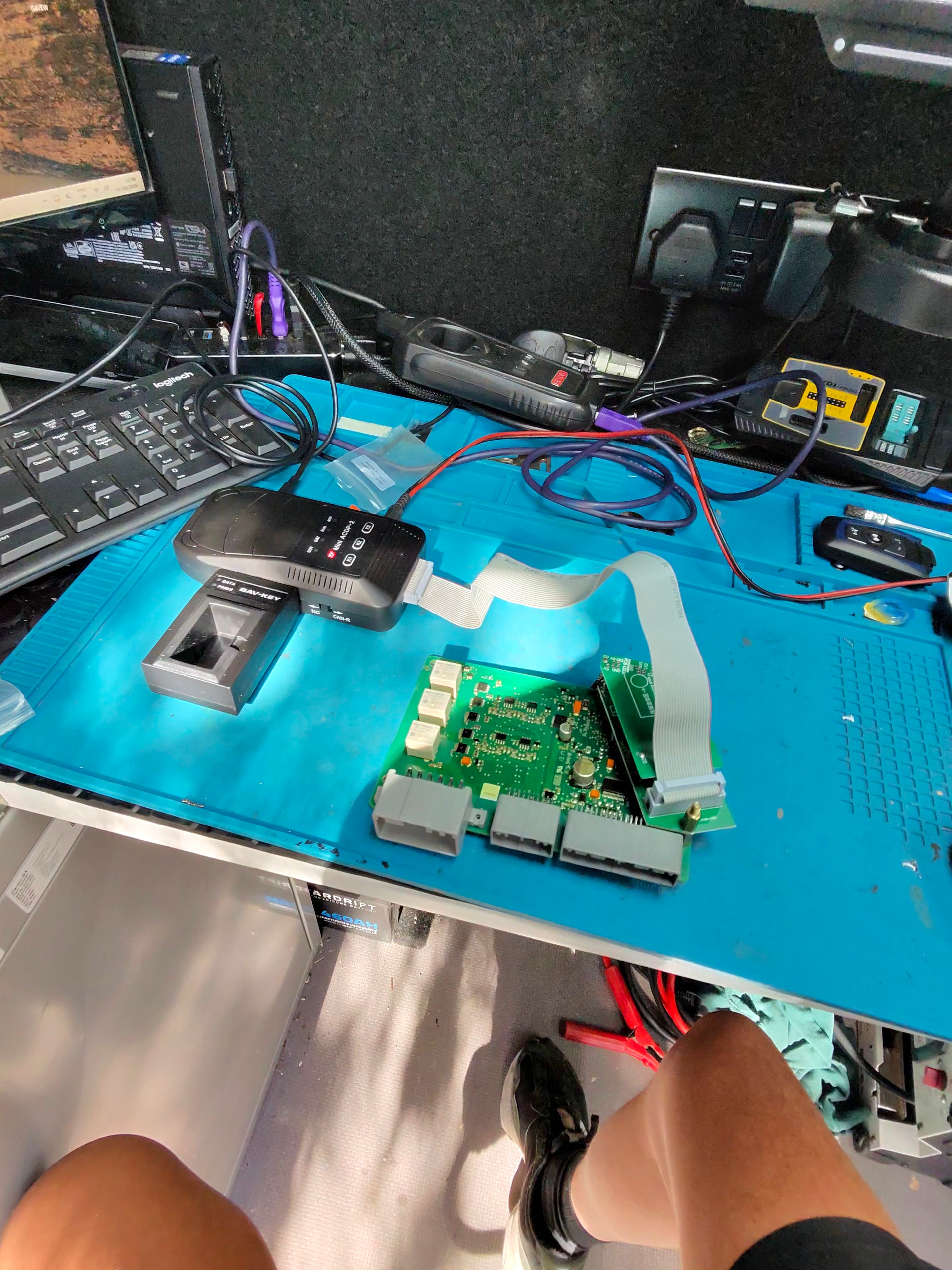
For some vehicles — particularly certain Mercedes, BMW, and Volkswagen Group models — the process is more involved and requires access to manufacturer security data. This is where SERMI certification becomes important: it verifies that the locksmith is a legitimate professional with authorised access to this data.
Can Any Locksmith Programme Car Keys?
Not all locksmiths have the equipment or certification to programme car keys. General locksmiths typically deal with domestic and commercial locks — car key programming is a specialist skill that requires:
- Dedicated automotive diagnostic equipment (which costs thousands of pounds)
- Up-to-date software subscriptions for different makes and models
- SERMI certification for access to security-sensitive vehicle data
- Experience working across a wide range of vehicles
Always check that your locksmith is specifically an auto locksmith with experience in key programming, not just a general locksmith who occasionally does car work.
What Vehicles Can Be Programmed?
The vast majority of modern vehicles can have keys programmed by a qualified auto locksmith, including:
- Ford — Fiesta, Focus, Mondeo, Kuga, Transit, and more
- Vauxhall — Corsa, Astra, Insignia, Mokka, and more
- Volkswagen Group — VW, Audi, Seat, Skoda
- BMW and Mini
- Mercedes-Benz — including EIS (Electronic Ignition Switch) repair
- Toyota and Lexus
- Honda, Nissan, Hyundai, Kia
- And many more
If you're unsure whether your vehicle is covered, just call and ask. I'll tell you honestly what's possible and what it will cost.
How Much Does Car Key Programming Cost?
Pricing varies depending on the make, model, and type of key. As a rough guide:
- A basic transponder key for a common vehicle is typically less expensive
- Remote keys cost more due to the additional programming required
- Smart/proximity keys are the most complex and therefore the most expensive
- Vehicles with advanced security systems (certain German makes) may cost more
What I can promise is a clear, honest quote before any work begins. No hidden fees, no surprises.
Need a Key Programmed in Portsmouth?
I'm a mobile auto locksmith covering Portsmouth, Gosport, Fareham, Waterlooville, Havant, and the surrounding areas. I come to you — at home, at work, or wherever you are — with all the equipment needed to cut and programme your key on the spot.
Call 07939 743228 any time, day or night. I'm available 24/7 for emergency and non-emergency key programming across the Portsmouth area.
For answers to other common questions, see our Portsmouth auto locksmith FAQ. If you've been locked out and need immediate help, read our guide on what to do when locked out of your car. Or view all our services to see the full range of auto locksmith work we cover.
Explore Topics
Written by
KeysKev Auto Locksmith
SERMI-certified mobile auto locksmith based in Portsmouth. Available 24/7 for vehicle lockouts, lost car keys, key programming, and spare key cutting across Portsmouth, Gosport, Fareham, Waterlooville, and Havant.